When it comes to playgrounds, there are two main types that stand out: soft playgrounds and normal playgrounds. As a supplier of soft playgrounds, I've had the opportunity to witness firsthand the unique features and benefits that each type offers. In this blog post, I'll delve into the differences between these two types of playgrounds, exploring their construction, safety features, target audiences, and more.
Construction and Materials
One of the most significant differences between soft playgrounds and normal playgrounds lies in their construction and the materials used. Normal playgrounds are typically made of hard materials such as metal, wood, and concrete. Metal swings, wooden climbing frames, and concrete slides are common fixtures in these playgrounds. These materials are durable and can withstand the elements, making them suitable for outdoor use.
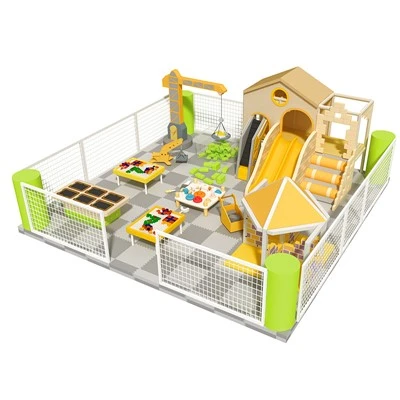
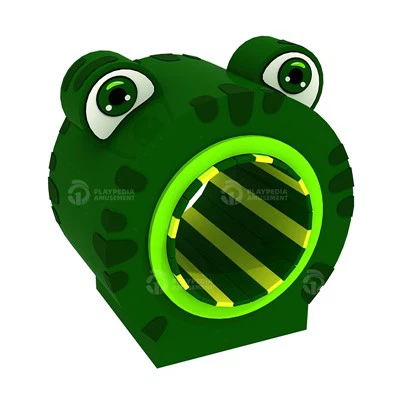
On the other hand, soft playgrounds are constructed using soft, flexible materials like foam, rubber, and plastic. These materials are designed to absorb impact, reducing the risk of injuries when children fall. Soft playgrounds often feature padded walls, cushioned floors, and soft play equipment such as ball pits, slides, and climbing structures. The use of soft materials also allows for more creative and imaginative designs, making soft playgrounds more visually appealing to children.
Safety Features
Safety is a top priority when it comes to playgrounds, and both soft and normal playgrounds have their own safety features. Normal playgrounds usually have safety measures such as guardrails, non - slip surfaces, and proper spacing between equipment. However, due to the hard materials used, the risk of serious injuries from falls is relatively higher. For example, a child falling from a metal swing onto a concrete surface could suffer a broken bone or a severe bruise.
Soft playgrounds, on the other hand, are designed with safety in mind from the ground up. The soft materials used in their construction significantly reduce the impact of falls. Padded surfaces and walls act as a cushion, minimizing the risk of cuts, bruises, and fractures. Additionally, soft playgrounds often have rounded edges and smooth surfaces, eliminating sharp corners that could potentially cause injuries. This makes soft playgrounds an ideal choice for younger children and those with special needs.
Target Audience
The target audience for soft and normal playgrounds also differs. Normal playgrounds are more suitable for older children and teenagers who are more physically active and have better coordination. The equipment in normal playgrounds, such as high - flying swings and challenging climbing walls, can provide a greater sense of adventure and thrill for these older kids.
Soft playgrounds, on the other hand, are primarily designed for younger children, typically aged between 1 and 10 years old. The soft and forgiving surfaces make it safe for toddlers and preschoolers to explore and play. The colorful and imaginative designs of soft playgrounds also capture the attention of younger children, stimulating their creativity and imagination. Moreover, soft playgrounds can be a great option for indoor settings, such as shopping malls, community centers, and daycare facilities, where younger children can play regardless of the weather.
Maintenance Requirements
Maintenance is another aspect where soft and normal playgrounds differ. Normal playgrounds require regular maintenance to ensure their safety and functionality. Metal equipment may need to be painted to prevent rust, wooden structures may need to be treated to resist rot, and concrete surfaces may need to be inspected for cracks. This maintenance can be time - consuming and costly, especially for large - scale playgrounds.
Soft playgrounds, in contrast, are relatively easier to maintain. The soft materials are generally resistant to wear and tear, and they can be easily cleaned with mild soap and water. Most soft playground equipment is also modular, which means that if a part gets damaged, it can be easily replaced without having to replace the entire structure. This makes soft playgrounds a more cost - effective option in the long run.
Design and Aesthetics
The design and aesthetics of soft and normal playgrounds are quite distinct. Normal playgrounds often have a more traditional and utilitarian design. The focus is on providing functional equipment for children to play on, and the overall look is usually straightforward and practical.
Soft playgrounds, on the other hand, offer a wide range of design possibilities. They can be themed to create immersive play experiences for children. For example, you can find Jungle Indoor Playground that features artificial trees, vines, and animal - shaped play equipment, or a Theme Indoor Park with a specific theme like a space adventure or a fairy tale world. These themed designs not only make the playground more visually appealing but also enhance the play experience by engaging children's imaginations.
Location and Usage
Normal playgrounds are commonly found outdoors in parks, schools, and residential areas. They are designed to withstand the elements and provide a place for children to play in the fresh air. However, their usage can be limited by weather conditions. For example, in rainy or extremely hot weather, normal playgrounds may be less usable.
Soft playgrounds, on the other hand, can be installed both indoors and outdoors. Indoor soft playgrounds, such as Childrens Indoor Play Area, offer a year - round play solution, regardless of the weather. They are popular in commercial settings like shopping centers, where parents can let their children play while they shop. Outdoor soft playgrounds are also a great option for areas where safety is a major concern, as they provide a softer landing surface compared to traditional outdoor playgrounds.
Cost
The cost of building and maintaining a playground is an important consideration for many organizations and individuals. Normal playgrounds can be expensive to build, especially if they include high - quality metal and wooden equipment. The cost of land preparation, installation, and ongoing maintenance can also add up over time.
Soft playgrounds, while they may have a higher initial cost in some cases, can be more cost - effective in the long run. As mentioned earlier, their maintenance is relatively easy and less expensive. Additionally, the modular nature of soft playground equipment means that you can start small and expand the playground as needed, which can help manage costs.
In conclusion, both soft playgrounds and normal playgrounds have their own unique advantages. Normal playgrounds offer a more traditional play experience for older children, with a focus on physical activity and adventure. Soft playgrounds, on the other hand, provide a safe and imaginative play environment for younger children, with a greater emphasis on safety and creativity. As a supplier of soft playgrounds, I believe that soft playgrounds are an excellent choice for many settings, especially those that prioritize the safety and well - being of young children.


If you're interested in learning more about our soft playground products or are considering purchasing a soft playground for your facility, I encourage you to reach out. We can provide you with detailed information, customized design options, and competitive pricing. Let's work together to create a fun and safe play space for the children in your community.
References
- Playground Safety Handbook, National Program for Playground Safety
- Design Guidelines for Children's Play Areas, International Play Equipment Manufacturers Association