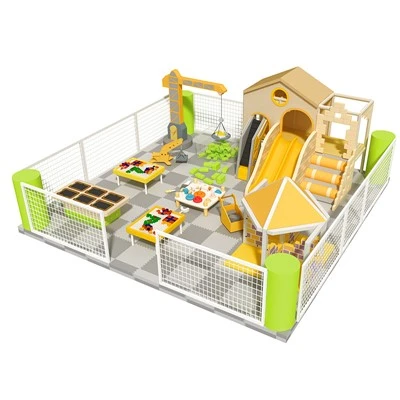
Do indoor playplaces have a dress code? This is a question that often comes up among parents, caregivers, and those involved in the indoor play industry. As a supplier of various indoor play equipment, including Soft Indoor Playground, Ball Pit Playground, and Parque Infantil Interior, I have seen firsthand the importance of addressing this topic.
The Need for a Dress Code
Indoor playplaces are designed to provide a safe and enjoyable environment for children to play, explore, and socialize. However, without a proper dress code, there can be several issues that may compromise the safety and comfort of the children and the overall cleanliness of the play area.
Safety Concerns
One of the primary reasons for having a dress code is safety. Loose clothing, long scarves, or dangling jewelry can pose a strangulation hazard, especially when children are climbing, sliding, or playing on equipment. For example, a child's scarf could get caught on a railing or in a piece of play equipment, leading to serious injury. Additionally, shoes with laces that are not properly tied can cause tripping, increasing the risk of falls.
Hygiene and Cleanliness
Indoor playplaces are shared spaces, and maintaining good hygiene is crucial to prevent the spread of germs and diseases. Shoes can track in dirt, mud, and bacteria from outside, which can contaminate the play area. Requiring children to remove their shoes and wear clean socks can help keep the play surfaces clean and reduce the risk of infections. Some playplaces also require children to wear appropriate clothing that is easy to clean in case of spills or accidents.
Equipment Protection
The equipment in indoor playplaces is often made of soft materials, such as foam and fabric, which can be easily damaged by sharp objects or rough clothing. Children wearing clothing with zippers, buttons, or studs may scratch or tear the play equipment, reducing its lifespan and potentially creating a safety hazard. A dress code that prohibits such clothing can help protect the investment in the play equipment and ensure its continued safe use.
Common Elements of a Dress Code
While dress codes can vary from one indoor playplace to another, there are some common elements that are often included:


Footwear
Most indoor playplaces require children to remove their shoes before entering the play area. This helps keep the play surfaces clean and reduces the risk of tripping. Some playplaces may provide socks for children to wear, while others allow children to bring their own clean socks. In some cases, playplaces may also require children to wear non - slip socks to prevent falls on wet or slippery surfaces.
Clothing
Children are typically required to wear comfortable, loose - fitting clothing that allows for easy movement. Clothing with sharp edges, zippers, or buttons that could damage the play equipment is usually prohibited. Some playplaces may also have specific requirements regarding the length of clothing, such as no long dresses or skirts that could pose a tripping hazard.
Headgear and Accessories
Hats, scarves, and jewelry are often restricted in indoor playplaces. As mentioned earlier, these items can pose a strangulation hazard or damage the play equipment. However, some playplaces may allow small, non - dangling earrings or other non - hazardous accessories.
Benefits of a Dress Code for Indoor Playplaces
Enhanced Safety
By implementing a dress code, indoor playplaces can significantly reduce the risk of accidents and injuries. Children are less likely to get caught on equipment or trip over loose clothing, making the play environment safer for everyone.
Improved Hygiene
A dress code that requires the removal of shoes and the wearing of clean clothing helps maintain a clean and hygienic play area. This reduces the spread of germs and diseases, which is especially important for young children whose immune systems are still developing.
Consistent Experience
A clear dress code ensures that all children and parents are aware of the rules and expectations, creating a consistent and fair experience for everyone. This can help prevent conflicts and misunderstandings among patrons.
Challenges in Implementing a Dress Code
Resistance from Parents
Some parents may be resistant to a dress code, seeing it as an unnecessary restriction. They may argue that it is inconvenient or that their child's clothing is safe. It is important for indoor playplace operators to communicate the reasons behind the dress code clearly and emphasize the benefits of safety and hygiene.
Enforcement
Enforcing a dress code can be challenging, especially in busy playplaces. Staff may need to be trained to politely remind parents and children of the dress code requirements and to handle any resistance or objections in a professional manner.
As a Supplier, How We Support Indoor Playplaces
As a supplier of indoor play equipment, we understand the importance of a dress code for the proper functioning and safety of the playplaces. We provide high - quality equipment that is designed to be durable and safe, but a dress code is still essential to protect the equipment and ensure the well - being of the children.
We also offer guidance to our customers on best practices for implementing and enforcing a dress code. We can provide educational materials, such as brochures or posters, that explain the reasons for the dress code and its benefits. Additionally, we can work with playplace operators to develop customized dress code policies that are appropriate for their specific equipment and clientele.
Encouraging Contact for Purchase and Collaboration
If you are an indoor playplace operator or someone interested in setting up an indoor play area, we are here to help. Our range of products, including Soft Indoor Playground, Ball Pit Playground, and Parque Infantil Interior, is designed to meet the diverse needs of indoor playplaces. We can provide you with high - quality, safe, and engaging play equipment that will enhance the experience for children and their parents.
We believe that a well - thought - out dress code is an important part of operating a successful indoor playplace, and we are committed to supporting you in implementing and maintaining such a code. If you have any questions about our products or need assistance with your indoor playplace, please do not hesitate to contact us. We look forward to discussing how we can work together to create a fun and safe environment for children.
References
- American Academy of Pediatrics. (Year). Safety guidelines for indoor play areas. Retrieved from [Source details if available]
- Centers for Disease Control and Prevention. (Year). Hygiene practices in child care settings. Retrieved from [Source details if available]
- Industry reports on indoor playplace operations and safety standards. (Year). Various publishers. [List specific reports if possible]