As the head of R&D and maintenance at an indoor fun park equipment supplier, I've spent the last 12 years standing on floors just like the ones our customers install their rides on-watching little hands grip plastic slides, hearing the thud of foam blocks, and noticing when a bounce house seems to have a little less spring than it did last month. Over that time, I've learned that the biggest mistake new park operators make isn't choosing flashy attractions; it's skipping a clear, consistent maintenance schedule for their rides. A broken ride doesn't just lose money for a day-it risks a child's safety and damages the park's reputation with families. Today, I want to pull back the curtain on exactly how we design maintenance protocols for the rides we supply, and why sticking to them is non-negotiable for long-term success.
Let's start with the core principle we teach every customer: indoor fun park rides live in a unique environment. Unlike outdoor attractions, they're sheltered from rain and UV damage, but they face a different set of threats. Sticky soda spills, tracked-in sand, and the constant friction of small bodies on metal and plastic parts wear things down faster than you'd think. There's also the variable of usage- a weekend indoor play area might see 500 kids in 12 hours, while a smaller family entertainment center could have a steady, gentler flow. That's why our maintenance schedules aren't one-size-fits-all; we tailor them to both the type of ride and how often it's used, with built-in checks that catch problems before they become hazards.
Let's break this down by ride category, starting with the most popular attractions in an indoor fun park: inflatables, play structures, small mechanical rides, and soft play zones. Each has its own rhythm for upkeep, and our team walks every new customer through this in detail before installation, plus sends a free, downloadable maintenance checklist after they purchase our gear.
For inflatable rides like the Carnival Fun Castle-our most-requested family favorite-we recommend three layers of checks. First, a pre-opening daily inspection. This is the quick, 5-minute sweep before kids arrive. Park staff should do a visual walkaround looking for small tears (even a half-inch rip can turn into a foot-long one by the end of the day if not patched), check the blower vents to make sure they're clear of debris, and test the anchor points to confirm the inflatable isn't shifting. I've heard too many stories of a park cutting this step, then a little kid catches their sleeve on a hidden tear mid-bounce and falls. Small, daily catches prevent that.
Next, we do a weekly deep clean and inspection. Inflatables trap dust and soda spills in their seams, so a quick wipe-down with mild soap and water (no harsh chemicals-they can degrade the vinyl) is key. We also ask staff to feel along the bottom edges for sticky residue, which can attract sand and cause abrasions over time. Every two weeks, they should also check the pressure of the inflatable-if it's sagging in the middle, that's a sign a seam is coming loose. What many operators don't know is that inflatables need full deflations every 30 days, too. Leaving them up 24/7 stretches the vinyl and weakens seams; letting them air out and re-inflate keeps the material flexible and durable.
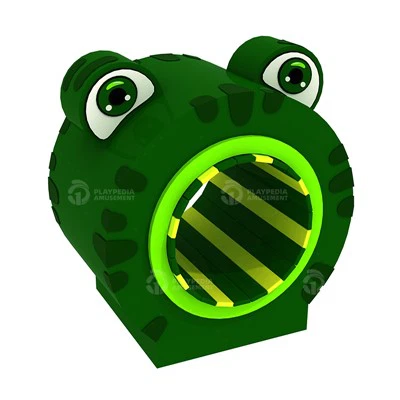
Moving to larger, fixed play structures-the kind you'd find in a commercial indoor playground, like metal-frame climbing walls, plastic tunnels, and slides. These are built to hold up to heavy use, but their maintenance is more about hardware than fabric. For these, we split the schedule into daily, monthly, and semi-annual checks. Daily, staff should wipe down high-touch points: slide entrances/ exits, handrails on climbing frames, and the knobs on interactive panels. Germs are a real concern here, but beyond that, sticky candy can attract ants, which will chew through plastic over time. Every month, we want them to tighten all bolts and screws. I've seen a small play structure on a tight budget skip this step: a handrail came loose during a busy Saturday, and a kid fell and scraped their knee. Tightening bolts takes 10 minutes per structure, and it's way cheaper than a liability claim.
Semi-annual checks are non-negotiable for mechanical parts on these structures-things like the hinges on slide exits, or the rotating platforms on multi-level play sets. We also ask customers to test the weight limits of the structure during these checks. A lot of parents let multiple kids climb on a slide at once, and over time, that extra stress can warp the metal support beams. We provide a specific weight limit label for every ride we supply, and the semi-annual check is a good time to remind staff to enforce that gently (no need to police every kid, just post the sign clearly and remind parents at the entrance).
For small mechanical rides-think miniature carousel horses, spinning cups, or coin-operated train rides-their maintenance is a bit more rigorous because they have moving parts. These rides see a lot of money in a day, but they're also the most likely to develop hidden issues. We recommend daily visual checks for unusual noises: a squeak or grind from a wheel is a sign that the bearings need oiling. Every week, staff should lubricate all moving parts (we supply a specific, food-safe lubricant so it doesn't get on kids' hands) and check the electrical wiring for frays. It's also important to test the emergency stop button at least once a week-you never want that button to stick when someone needs it. The big one here is a monthly load test: run the ride at full capacity (or the maximum number of riders allowed) for 10 minutes, then check for any shifting or vibration. If a ride starts rocking more than usual, that's a sign the base is loose and needs to be re-anchored.
Beyond ride-specific checks, there are cross-cutting maintenance tasks that apply to every attraction in an indoor play area. We call these "environmental checks," because the space around the rides matters just as much as the rides themselves. First, temperature and humidity control. Indoor fun parks can get warm from all the kids running around, and high humidity is a nightmare for metal parts-it causes rust that eats away at bolts and supports. We suggest keeping the park between 68 and 75 degrees Fahrenheit, with humidity under 50%. That's not just for kid comfort; it's for the lifespan of the rides. We also recommend checking for moisture leaks- a dripping ceiling from a HVAC unit can seep onto a ride and cause hidden water damage before you notice it.
Sanitation is another big one, and it's become even more important post-pandemic, so we build this into the maintenance schedule too. For soft play items like foam blocks or crawling mats, we ask operators to deep clean them once a month. Most can go in a washing machine on a gentle cycle, but for larger items, a steam cleaner works best. We also supply a list of EPA-approved, non-toxic cleaning products that won't damage the plastic or fabric of the rides. At the end of every day, all high-touch surfaces should be wiped down, and we recommend doing a full park deep clean every night when it's closed. I've had customers tell me this takes extra time, but it's worth it-parents will notice if the play area smells like stale soda, and they'll come back to the one that feels safe and clean.
Now, I know what some of you are thinking: "This sounds like a lot of work. How do small park operators with only a few staff members stick to this schedule?" That's why we build flexibility into the protocols we provide, and we offer training for staff when we install the rides. For example, if a park is only open 5 days a week, you can adjust the weekly deep clean to happen on Monday, when the park is closed, instead of every 7 days. We also create digital checklists for our customers-no more lost paper sheets- that they can access on their phones, and we send automated reminders for monthly and semi-annual tasks. The key is to make the schedule manageable, not a burden. The best park operators I work with don't see maintenance as a chore; they see it as part of their customer service. A family will come back not just because the rides are fun, but because they know their kid will be safe the whole time.
I also want to address a common misconception: "New rides don't need much maintenance for the first year." That's partially true, but even new rides have quirks. We always recommend a 90-day checkup, right when the park is getting into its regular rhythm. This is a time to make sure all the parts are fitting together as they should, and to adjust any small issues before they become big ones. We've seen operators skip the 90-day check for new play structures. Even with high-quality equipment, minor loose hardware can develop over time, creating fall hazards that could have been caught early.
For operators looking to set up a solid maintenance routine, I suggest starting with a team training session before your grand opening. Make sure every staff member knows how to do the daily checks, where to find the emergency stops, and who to contact if they notice a problem. Assign a lead maintenance person, even if it's part-time, to oversee the monthly and semi-annual tasks. And don't forget to document everything-keep a log of every check, every repair, and every part you replace. That log isn't just for liability purposes; it helps you spot patterns. If a particular inflatable keeps developing tears along the bottom seam, you can reach out to us to adjust the way you're anchoring it, or we can send a replacement patch kit that works better.
At the end of the day, the maintenance schedule for indoor fun park rides isn't just about keeping rides working-it's about building trust with the families who visit your center. When a parent hands you their kid and knows they'll be safe, they'll come back week after week, and they'll tell their friends. If a ride is broken, or worse, unsafe, word spreads fast. Our goal as an indoor fun park equipment supplier is to give operators the tools, training, and clear plans they need to make that safety a reality.
Whether you're setting up a small indoor play area for a local community center, a busy family entertainment center, or a standalone Carnival Fun Castle, the right maintenance routine is the backbone of a successful indoor fun park. It takes consistency, but it's worth every minute. If you're in the planning stages of launching your own park, or if you're looking to upgrade your current rides to meet better safety standards, our team is here to help you build a custom maintenance plan that fits your space and budget. We can walk you through every step, from choosing the right equipment to setting up a schedule that your staff can actually follow.
Don't let bad maintenance choices turn a great park into a safety hazard. Reach out to us today to learn more about how we can support your indoor play project-we're ready to partner with you to create a space where kids can play freely, and parents can feel at ease.