


When discussing the capacity of an average indoor park, it's essential to understand that this figure can vary significantly based on multiple factors. As a Theme Indoor Park supplier, I've had the privilege of being involved in numerous projects, and through these experiences, I've gained insights into the elements that determine an indoor park's capacity.
Factors Influencing Indoor Park Capacity
1. Size of the Facility
The most obvious factor is the physical size of the indoor park. Larger spaces generally have the potential to accommodate more visitors. However, it's not as simple as just measuring the square footage. The layout of the space matters greatly. For example, a large open - plan area might be able to hold more people compared to a space with a lot of partitions and small rooms, even if their total areas are the same. A sprawling Jungle Adventure Themed Indoor Playground with a large central play area and well - connected pathways can host more children and adults than a similarly sized park with a maze - like layout that restricts movement.
2. Type of Attractions
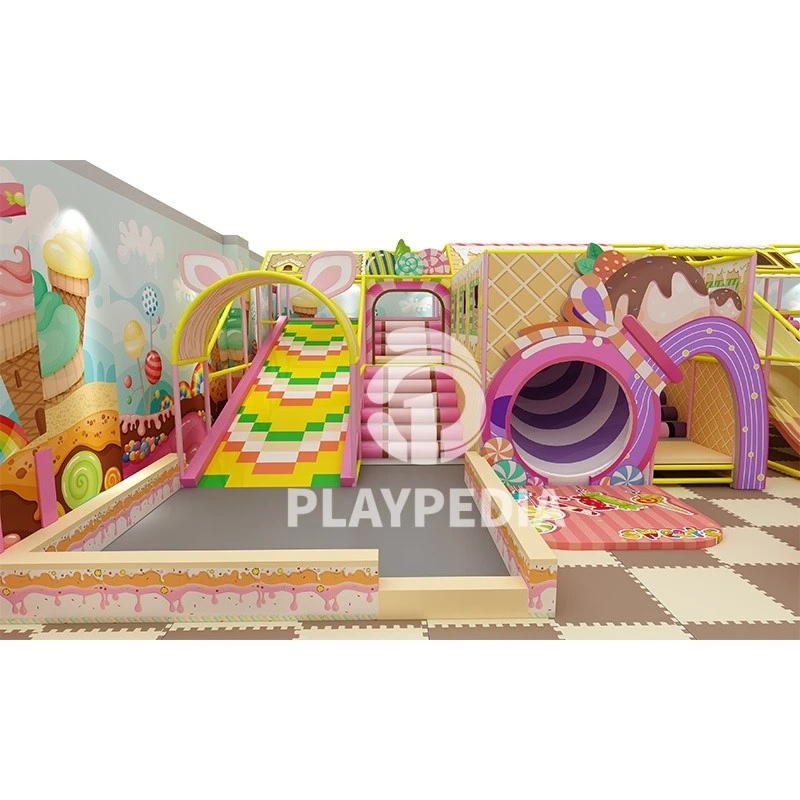
Different attractions take up varying amounts of space and impact the number of people that can be in the park. High - energy, individual - use attractions like small trampolines or slide areas can have a relatively high turnover rate. A child might use a slide in a few seconds and then move on, allowing more children to use it over time. On the other hand, attractions that require more space per person, such as ball pits or climbing structures, limit the number of people who can use them simultaneously. In a Candy Theme Indoor Playground, the large candy - shaped ball pits are a major draw but can only hold a limited number of kids at once.
3. Safety Regulations
Safety is of utmost importance in any indoor park. Local building codes and safety regulations dictate the maximum number of people that can be in a given space. These regulations take into account factors such as fire safety, emergency exits, and the ability to evacuate the area quickly. For instance, there are specific requirements for the number of exits per square foot of space and the width of walkways. A Japan Theme Kids Indoor Play Center must adhere to these regulations, which can significantly impact its capacity.
4. Staffing and Supervision
The number of staff available to supervise the park also affects its capacity. Adequate staffing is necessary to ensure the safety and well - being of all visitors. If there are not enough staff to monitor the attractions and the general flow of the park, the capacity may need to be reduced. For example, in a park with a large water play area, more lifeguards or supervisors are required, which might limit the overall number of visitors that can be safely accommodated.
Calculating the Capacity
To calculate the capacity of an indoor park, a combination of these factors is considered. One common approach is to divide the total usable area of the park by the area required per person for each type of activity. For example,As a general rule of thumb, an open play area may require roughly 10 square feet per person and a climbing area requires 15 square feet per person, the capacity for each area can be calculated separately. Then, the overall capacity is determined by considering how many people can move between different areas simultaneously without overcrowding.
Another method is to base the capacity on the peak flow rate of the main attractions. If the most popular slide can safely accommodate 20 people per minute and the park has a goal of ensuring that visitors don't have to wait too long in line, the overall capacity can be adjusted accordingly.

Industry Standards for Average Capacity
The average capacity of an indoor park can vary widely depending on the type of park. A small, neighborhood - focused indoor playground might have a capacity of around 50 - 100 people. These parks are often designed for local families and have a more intimate setting.
For medium - sized indoor parks, which typically offer a wider range of attractions and are located in shopping malls or entertainment districts, the capacity can range from 100 - 300 people. These parks are popular for birthday parties and weekend outings, so they need to be able to handle a moderate number of visitors.
Large - scale, destination - type indoor parks can have capacities of 300 or more people. These parks often feature multiple levels, a vast array of attractions, and are designed to be a major draw for tourists and locals alike. A Colorful Trends Indoor Park might fall into this category, with its large play areas, interactive exhibits, and themed zones.
Maintaining an Optimal Capacity
Maintaining an optimal capacity is crucial for the success of an indoor park. If the park is overcrowded, visitors may have a poor experience, with long lines, limited access to attractions, and a feeling of being cramped. On the other hand, if the capacity is too low, the park may not be financially viable.
To maintain an optimal capacity, park managers can implement a ticketing system. This system can be used to limit the number of people entering the park at any given time and to ensure that the park is not overcrowded. Additionally, real - time monitoring of the park's occupancy can be done using sensors or staff counts. This allows managers to make adjustments as needed, such as opening or closing certain attractions based on the number of visitors.
Our Role as a Theme Indoor Park Supplier
As a Theme Indoor Park supplier, we play a vital role in helping our clients determine the appropriate capacity for their parks. We work closely with architects, designers, and park operators to understand their vision and the specific requirements of the space. Our team of experts can analyze the layout, attractions, and safety regulations to provide accurate capacity estimates.
We also offer a wide range of themed indoor park solutions, such as the Rainbow Castle Indoor Playground, which are designed to maximize space utilization and visitor experience. Our products are not only fun and engaging but are also built to meet the highest safety standards.
Contact Us for Your Indoor Park Project
Whether you're planning a small neighborhood playground or a large - scale destination park, we're here to help. Our team has the knowledge and experience to assist you in every step of the process, from design to installation. If you're interested in learning more about our products or discussing the capacity requirements for your indoor park, we encourage you to contact us for a consultation. We look forward to working with you to create a successful and enjoyable indoor park experience.


