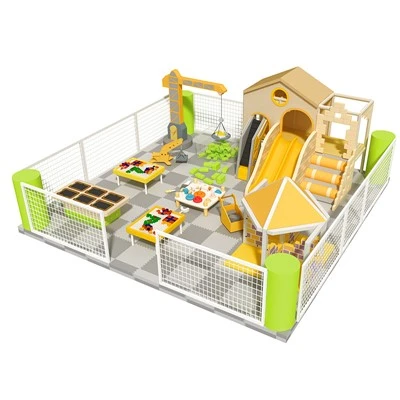
Do soft play centers have a dress code? This is a question that often comes up among parents and caregivers when planning a visit to a soft play center. As a supplier of soft play equipment, I've had the opportunity to interact with numerous soft play center owners and understand the various considerations around this topic.
The Purpose of a Dress Code in Soft Play Centers
Soft play centers are designed to provide a safe and enjoyable environment for children to play, explore, and develop their physical and social skills. A dress code can play a crucial role in maintaining this environment. Firstly, safety is a top priority. Loose clothing, long scarves, or jewelry can pose a strangulation hazard, especially on equipment like the Soft Play Slide or Soft Play Bridge. Sharp objects or shoes with hard soles can also damage the soft play equipment, which is made of soft materials to ensure the safety of the children.
Secondly, hygiene is another important factor. Soft play centers are high - traffic areas where many children come into contact with the same equipment. Wearing clean clothes can help reduce the spread of germs and diseases. Some soft play centers may require children to wear socks to prevent dirt and bacteria from being transferred onto the play surfaces.
Common Elements of a Soft Play Center Dress Code
Most soft play centers have a set of basic rules regarding what children should and should not wear. Here are some common elements:
Clothing
- Comfortable and Appropriate Fit: Children should wear clothes that fit well and allow for free movement. Tight - fitting clothes can restrict movement, while overly loose clothes can get caught on the play equipment. For example, stretchy leggings or shorts paired with a comfortable t - shirt are ideal.
- No Sharp or Pointed Objects: This includes items like belts with sharp buckles, brooches, or hairpins. These objects can not only damage the soft play equipment but also cause injury to the child or other children.
- Avoiding Clothing with Drawstrings: Drawstrings on hoodies or pants can be a strangulation risk, especially when children are climbing or sliding on the equipment.
Footwear
- Socks: Many soft play centers require children to wear socks. Socks help keep the play area clean and also provide some grip on the surfaces, reducing the risk of slips and falls. Some centers may even provide disposable socks if a child arrives without them.
- No Shoes with Hard Soles: Shoes with hard soles, such as boots or dress shoes, can damage the soft play equipment. They can also make it difficult for children to move around safely on the soft surfaces.
Exceptions and Special Considerations
While most soft play centers have a standard dress code, there are some exceptions and special considerations. For children with sensory issues, wearing certain types of clothing may be challenging. In such cases, the Sensory Soft Play equipment can be a great option. This type of equipment is designed to provide a variety of sensory experiences, and children may be more comfortable wearing clothing that suits their sensory needs.
Some soft play centers also host special events or themed parties, where the dress code may be more flexible. For example, during a superhero - themed party, children may be allowed to wear their superhero costumes, as long as they meet the basic safety requirements.
The Role of Soft Play Center Owners and Staff
Soft play center owners and staff play a crucial role in enforcing the dress code. They should clearly communicate the dress code to parents and caregivers before they enter the play area. This can be done through signage at the entrance, on the center's website, or during the booking process.
Staff members should also be trained to handle situations where a child does not meet the dress code requirements. They should be polite and understanding, explaining the reasons behind the dress code and offering solutions if possible. For example, if a child arrives without socks, the staff can provide disposable socks or suggest that the child play in a designated area where socks are not required.


The Impact of a Dress Code on the Business
A well - enforced dress code can have a positive impact on the soft play center business. Firstly, it helps maintain the safety and hygiene of the play area, which is essential for attracting and retaining customers. Parents are more likely to bring their children to a play center that they perceive as safe and clean.
Secondly, a dress code can help protect the soft play equipment. By preventing damage from sharp objects and hard - soled shoes, the center can reduce maintenance costs and extend the lifespan of the equipment. This, in turn, can lead to cost savings in the long run.
Tips for Parents and Caregivers
As a parent or caregiver, it's important to be aware of the dress code of the soft play center you plan to visit. Here are some tips:
- Check the Dress Code in Advance: Before you go, visit the soft play center's website or call them to find out what the dress code is. This will help you prepare your child's clothing accordingly.
- Pack Extra Clothing and Socks: In case your child spills something on their clothes or loses a sock, it's a good idea to pack an extra set of clothes and socks.
- Explain the Dress Code to Your Child: Make sure your child understands why the dress code is important. This will help them cooperate and follow the rules.
Conclusion
In conclusion, most soft play centers do have a dress code, and for good reason. It helps ensure the safety and hygiene of the play area, protects the soft play equipment, and provides a better experience for all children. As a soft play equipment supplier, I understand the importance of these dress codes in maintaining the quality and safety of the play environment.
If you are a soft play center owner or are interested in setting up a soft play center, and you have questions about the appropriate dress code or need high - quality soft play equipment, I encourage you to reach out for a procurement discussion. We can provide you with the latest information on soft play equipment and help you create a safe and enjoyable play environment for children.
References
- "Safety Guidelines for Soft Play Centers", National Playground Safety Institute
- "Hygiene Practices in Soft Play Areas", Centers for Disease Control and Prevention