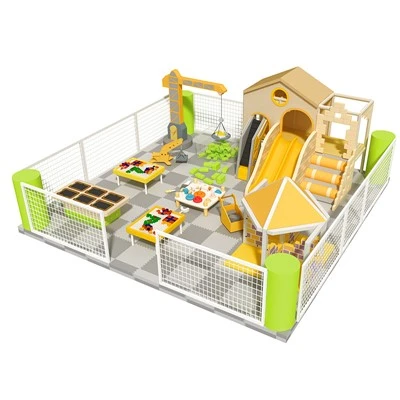
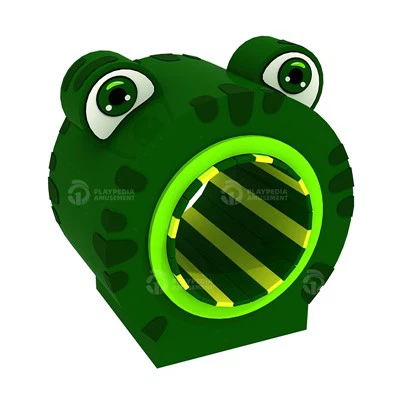
As a provider of Sensory Soft Play equipment, I've witnessed firsthand the growing popularity of sensory soft play areas in various settings, from childcare centers and schools to family entertainment centers. These vibrant and engaging spaces offer children a safe and stimulating environment to explore, learn, and have fun. However, one question that often arises is whether sensory soft play areas need to be cleaned regularly. In this blog post, I'll delve into the importance of regular cleaning, the potential risks of neglecting cleanliness, and the best practices for maintaining a hygienic sensory soft play area.
The Importance of Regular Cleaning
Regular cleaning of sensory soft play areas is crucial for several reasons. First and foremost, it helps to prevent the spread of germs and bacteria. Children are naturally curious and love to explore their surroundings with their hands and mouths. As a result, sensory soft play equipment can quickly become contaminated with dirt, saliva, and other bodily fluids. If not cleaned regularly, these contaminants can harbor harmful bacteria and viruses, increasing the risk of illness and infection among children and staff.


In addition to preventing the spread of germs, regular cleaning also helps to maintain the integrity and longevity of the sensory soft play equipment. Over time, dirt, dust, and debris can accumulate on the surfaces of the equipment, causing it to wear down and become less effective. By cleaning the equipment regularly, you can remove these contaminants and prevent them from causing damage, ensuring that the equipment remains in good condition and continues to provide a safe and enjoyable experience for children.
Another important reason to clean sensory soft play areas regularly is to create a pleasant and inviting environment for children and their families. A clean and well-maintained play area is more likely to attract visitors and encourage them to stay longer, which can have a positive impact on your business or organization. In addition, a clean play area can help to reduce stress and anxiety among children, making it a more relaxing and enjoyable place to play.
The Potential Risks of Neglecting Cleanliness
Neglecting to clean sensory soft play areas regularly can have serious consequences for the health and safety of children and staff. As mentioned earlier, dirty play equipment can harbor harmful bacteria and viruses, increasing the risk of illness and infection. Some of the most common illnesses that can be spread through contaminated play equipment include colds, flu, diarrhea, and skin infections.
In addition to the health risks, neglecting cleanliness can also have a negative impact on the reputation of your business or organization. Parents and caregivers are increasingly concerned about the health and safety of their children, and they are more likely to choose a play area that is clean and well-maintained. If your play area is dirty or unhygienic, it may deter potential customers and damage your reputation in the community.
Finally, neglecting cleanliness can also lead to costly repairs and replacements of the sensory soft play equipment. As dirt and debris accumulate on the surfaces of the equipment, it can cause it to wear down and become less effective. Over time, this can lead to damage and malfunction, requiring expensive repairs or replacements. By cleaning the equipment regularly, you can prevent these issues from occurring and save money in the long run.
Best Practices for Maintaining a Hygienic Sensory Soft Play Area
Now that we've established the importance of regular cleaning and the potential risks of neglecting cleanliness, let's take a look at some best practices for maintaining a hygienic sensory soft play area.
- Establish a Cleaning Schedule: Develop a regular cleaning schedule for your sensory soft play area, including daily, weekly, and monthly tasks. This will help to ensure that the area is cleaned consistently and thoroughly, and that all equipment is properly maintained.
- Use the Right Cleaning Products: Choose cleaning products that are safe and effective for use on sensory soft play equipment. Avoid using harsh chemicals or abrasive cleaners, as these can damage the equipment and cause skin irritation or other health problems. Instead, opt for mild, non-toxic cleaners that are specifically designed for use on soft play equipment.
- Clean the Equipment Regularly: Clean the sensory soft play equipment on a regular basis, using a soft cloth or sponge and a mild cleaning solution. Pay special attention to high-touch areas, such as handles, buttons, and switches, as these are the areas that are most likely to be contaminated with germs and bacteria.
- Disinfect the Equipment: In addition to regular cleaning, it's important to disinfect the sensory soft play equipment on a regular basis. This will help to kill any remaining germs and bacteria and prevent the spread of illness and infection. Use a disinfectant that is safe and effective for use on soft play equipment, and follow the manufacturer's instructions carefully.
- Encourage Good Hygiene Practices: Encourage children and staff to practice good hygiene habits, such as washing their hands regularly, covering their mouths and noses when coughing or sneezing, and avoiding touching their faces. This will help to reduce the spread of germs and bacteria and keep the play area clean and hygienic.
- Inspect the Equipment Regularly: Inspect the sensory soft play equipment on a regular basis to ensure that it is in good condition and free from damage. Look for signs of wear and tear, such as frayed edges, loose parts, or broken pieces, and replace any damaged equipment immediately.
Conclusion
In conclusion, regular cleaning of sensory soft play areas is essential for the health and safety of children and staff, as well as the longevity and effectiveness of the equipment. By establishing a regular cleaning schedule, using the right cleaning products, cleaning and disinfecting the equipment regularly, encouraging good hygiene practices, and inspecting the equipment regularly, you can maintain a hygienic and inviting play area that provides a safe and enjoyable experience for children and their families.
If you're interested in learning more about our Sensory Soft Play equipment or would like to discuss your specific needs and requirements, please don't hesitate to contact us. We'd be happy to provide you with more information and help you choose the right equipment for your play area. You can also explore our Soft Play House and Soft Play options to find the perfect fit for your space.
References
- Centers for Disease Control and Prevention (CDC). (2023). Cleaning and Disinfecting Your Facility. Retrieved from [CDC website]
- World Health Organization (WHO). (2023). Guidelines on Hand Hygiene in Health Care. Retrieved from [WHO website]
- National Association for the Education of Young Children (NAEYC). (2023). Health and Safety Standards for Early Childhood Programs. Retrieved from [NAEYC website]