Self-esteem is a crucial aspect of a child's psychological development, influencing their social interactions, academic performance, and overall well-being. In recent years, sensory soft play has emerged as a popular approach in early childhood education and therapy, with many claiming it can significantly boost a child's self-esteem. As a supplier of sensory soft play equipment, I've witnessed firsthand the impact these materials can have on children. In this blog, we'll explore the scientific basis behind the claim that sensory soft play can help with a child's self-esteem.
Understanding Self-Esteem in Children
Self-esteem refers to an individual's overall sense of self-worth and personal value. In children, self-esteem begins to develop in the early years and is shaped by various factors, including their interactions with parents, peers, and the environment. A child with high self-esteem is more likely to be confident, resilient, and open to new challenges. On the other hand, low self-esteem can lead to feelings of insecurity, social withdrawal, and academic underachievement.
The development of self-esteem in children is a complex process that involves both internal and external factors. Internally, a child's self-perception is influenced by their own thoughts, feelings, and beliefs about themselves. Externally, their self-esteem is affected by the feedback and support they receive from others, such as parents, teachers, and friends.
The Science of Sensory Soft Play
Sensory soft play involves providing children with opportunities to engage their senses through play with soft, tactile materials. These materials can include foam blocks, soft fabrics, and textured surfaces, which stimulate the sense of touch, sight, and sometimes even smell and sound. The sensory experience provided by soft play is not only fun for children but also has several cognitive, physical, and emotional benefits.

From a neurological perspective, sensory play helps to develop the brain's neural pathways. When a child touches a soft fabric or manipulates a foam block, sensory receptors in their skin send signals to the brain. These signals are then processed and integrated, helping to strengthen the connections between different parts of the brain. This neural development is essential for cognitive functions such as attention, memory, and problem-solving.
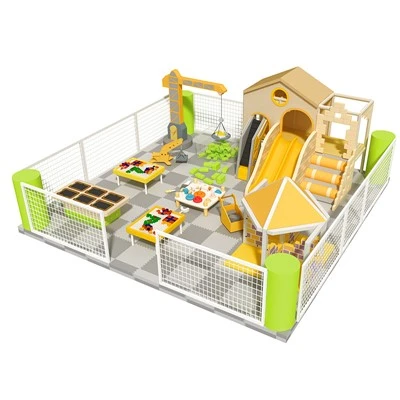
In addition to cognitive development, sensory soft play also has physical benefits. It encourages gross and fine motor skills development as children manipulate and move the soft materials. For example, climbing on a Soft Play Slide or balancing on a Soft Play Bridge helps to improve muscle strength, coordination, and balance.
How Sensory Soft Play Boosts Self-Esteem
1. Success and Mastery
One of the primary ways sensory soft play helps with a child's self-esteem is by providing opportunities for success and mastery. When a child engages with soft play equipment, they can set their own goals and challenges. For example, they might try to build a tower with foam blocks or navigate through an Indoor Play House. As they achieve these goals, they experience a sense of accomplishment, which in turn boosts their self-confidence.

Each small success in sensory soft play contributes to a child's overall sense of self-efficacy, the belief in their ability to succeed in various tasks. This self-efficacy is a key component of self-esteem, as it gives children the confidence to take on new challenges and persevere in the face of difficulties.
2. Self-Expression and Creativity
Sensory soft play also allows children to express themselves creatively. The soft materials and open-ended nature of the play encourage children to use their imagination and come up with unique ideas. For example, they might use foam blocks to create a spaceship or a fairy castle. This creative expression not only provides a sense of fulfillment but also helps children to develop a positive self-image.

When children are able to express themselves freely through play, they feel valued and accepted for who they are. This acceptance from themselves and others helps to build their self-esteem, as they learn to appreciate their own unique qualities and abilities.
3. Social Interaction
Soft play areas are often designed for group play, which provides children with opportunities to interact with their peers. Through social play, children learn important social skills such as cooperation, communication, and sharing. These skills are essential for building positive relationships with others, which in turn can boost self-esteem.
When children are able to make friends and interact successfully with their peers, they feel a sense of belonging and acceptance. This social support network helps to reinforce their self-worth and confidence, as they receive positive feedback and validation from their friends.
4. Emotional Regulation
Sensory soft play can also help children to regulate their emotions. The tactile and calming nature of the soft materials can have a soothing effect on children, especially those who are feeling anxious or stressed. For example, hugging a soft stuffed animal or squeezing a stress ball can help to reduce feelings of anxiety and promote a sense of calm.
When children are able to regulate their emotions effectively, they feel more in control of themselves and their environment. This sense of control contributes to their overall self-esteem, as they learn to manage their emotions in a healthy and positive way.
Real-Life Examples and Case Studies
There are numerous real-life examples and case studies that demonstrate the positive impact of sensory soft play on a child's self-esteem. For instance, in a study conducted at a local preschool, children who participated in regular sensory soft play sessions showed significant improvements in their self-confidence and social skills compared to those who did not.
One child, in particular, was initially very shy and withdrawn. However, after spending time in the sensory soft play area, playing with the foam blocks and exploring the Indoor Play House, he began to open up and interact more with his peers. His teachers noticed a marked improvement in his self-esteem, as he became more willing to participate in group activities and take on new challenges.
Conclusion and Call to Action
In conclusion, there is substantial evidence to suggest that sensory soft play can have a positive impact on a child's self-esteem. Through opportunities for success, self-expression, social interaction, and emotional regulation, sensory soft play provides a supportive environment for children to develop a healthy sense of self-worth.
As a supplier of sensory soft play equipment, we are committed to providing high-quality products that enhance the play experience for children. Our Indoor Play House, Soft Play Slide, and Soft Play Bridge are designed to stimulate the senses and promote cognitive, physical, and emotional development.
If you're interested in incorporating sensory soft play into your childcare center, preschool, or home environment, we'd love to hear from you. Contact us to discuss your specific needs and explore how our products can help to boost the self-esteem of the children in your care.
References
- Berk, L. E. (2018). Infants, children, and adolescents. Pearson.
- Dunn, W. (2001). The sensory profile. Western Psychological Services.
- Greenspan, S. I., & Wieder, S. (2006). Engaging autism: Using the floortime approach to help children relate, communicate, and think. Da Capo Press.