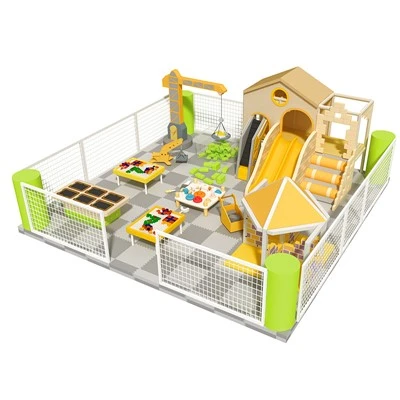
Can I bring my own toys to a soft play area? This is a question that many parents and caregivers often ask when planning a visit to a soft play area. As a professional soft play equipment supplier, I'd like to delve into this topic and share some insights from both the perspective of safety, hygiene, and business operations.
Safety Concerns
One of the primary reasons that soft play areas may have restrictions on bringing in personal toys is safety. Soft play areas are designed with specific safety standards in mind. Our Sensory Soft Play equipment, for example, is carefully crafted to ensure that children can play freely without the risk of sharp edges, small parts that could be swallowed, or other potential hazards.
When outside toys are brought in, there's no guarantee that they meet the same safety standards. A toy with loose parts or a hard, heavy structure might pose a danger to other children playing in the area. For instance, a small plastic toy could break and the pieces could be a choking hazard. Or, a toy with a sharp edge might accidentally scratch or injure a child during rough play. Soft play areas are typically filled with young children who may not always be aware of how to handle toys safely, so it's crucial to maintain a safe environment.
Hygiene Considerations
Hygiene is another significant factor. Soft play areas are usually cleaned and sanitized regularly to prevent the spread of germs and diseases. Our team understands the importance of keeping these areas clean, and we provide equipment that is easy to clean and maintain. However, when personal toys are introduced, it becomes difficult to ensure their cleanliness.
Toys from home may have been exposed to various environments, including other children who might be sick. They could carry bacteria, viruses, or other contaminants that could be transferred to the soft play equipment and other children. Soft play areas often have a high turnover of children, and a single contaminated toy could potentially lead to an outbreak of illness. By restricting outside toys, soft play areas can better control the hygiene levels and protect the health of all the children who visit.
Business Operations
From a business perspective, soft play areas are designed to provide a unique and enjoyable experience for children using the equipment they offer. Our Soft Play Slide and Soft Play Bridge are carefully selected and installed to create an engaging and stimulating play environment. When children bring in their own toys, they may be more focused on playing with those items rather than exploring the soft play equipment provided.
This can affect the overall experience for other children and may also impact the revenue of the soft play area. Soft play areas rely on parents and caregivers paying for their children to use the facilities, and if children are not fully engaged with the provided equipment, it may lead to a perception that the play area is not worth the cost. Additionally, it can be challenging for staff to manage a large number of different toys in the play area, which can disrupt the flow of the business.
Exceptions and Alternatives
While many soft play areas have a general policy against bringing in outside toys, there are often exceptions. For example, some soft play areas may allow children to bring in comfort items such as a small stuffed animal or a security blanket. These items are usually well-known to the child and can provide a sense of security, especially for younger children who may be feeling anxious in a new environment.


Another alternative is for soft play areas to provide a selection of toys and games within the play area. This can add variety to the play experience and still maintain control over safety and hygiene. Some soft play areas also offer themed play sessions where they provide specific toys and props related to the theme, which can be a fun and engaging way for children to play.
What Parents and Caregivers Can Do
If you're a parent or caregiver planning to visit a soft play area, it's a good idea to check the play area's policy on bringing in outside toys before you go. You can usually find this information on their website or by calling ahead. If outside toys are not allowed, you can focus on preparing your child for the exciting play experience with the equipment provided.
You can talk to your child about the different types of play equipment they might encounter, such as slides, tunnels, and climbing structures. This can build their anticipation and make the visit more enjoyable. You can also encourage your child to interact with other children in the play area, which can help develop their social skills.
Conclusion
In conclusion, while the idea of bringing your own toys to a soft play area may seem appealing, there are valid reasons why many soft play areas have restrictions. Safety, hygiene, and business operations all play a role in shaping these policies. As a soft play equipment supplier, we understand the importance of providing a safe, clean, and engaging play environment for children.
If you're interested in setting up a soft play area, whether it's for a commercial business or a private facility, we're here to help. We offer a wide range of high-quality soft play equipment that meets the highest safety and quality standards. Our team of experts can assist you in selecting the right equipment for your needs and provide guidance on installation and maintenance.
If you have any questions or would like to discuss your soft play area project, please feel free to reach out to us. We're eager to work with you to create a fantastic play space for children.
References
- American Society for Testing and Materials (ASTM). Standards for play equipment safety.
- Centers for Disease Control and Prevention (CDC). Guidelines for preventing the spread of germs in public play areas.
- European Committee for Standardization (CEN). Safety standards for soft play equipment.