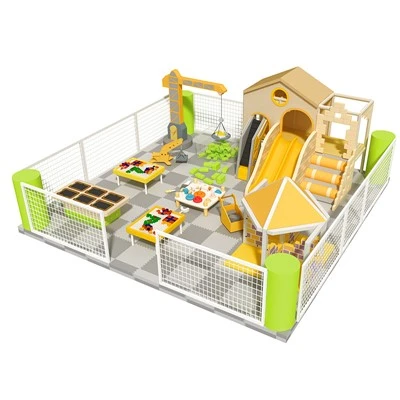
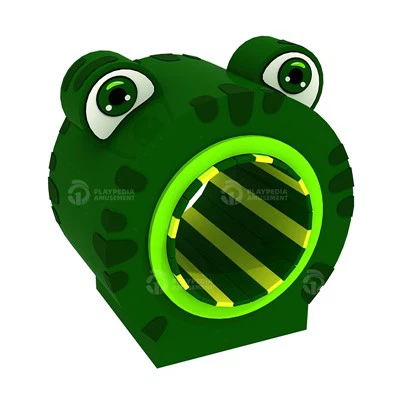
Are there any tunnels in an indoor playground? This is a question that many parents, operators, and kids enthusiasts often ask. As a seasoned indoor playground supplier, I'm here to delve deep into this topic, exploring the presence, benefits, and design considerations of tunnels in indoor playgrounds.
The Prevalence of Tunnels in Indoor Playgrounds
Tunnels are a common and beloved feature in many indoor playgrounds. They add an element of adventure and mystery, enticing kids to crawl through, explore, and have fun. In fact, it's rare to find a well - designed indoor playground without at least one tunnel.
When you visit different types of indoor playgrounds, such as the Japanese Style Indoor Playground, you'll notice that tunnels are seamlessly integrated into the overall design. These playgrounds often have a theme that emphasizes exploration and discovery, and tunnels fit right into that concept. They can be made of various materials, like soft foam for safety in areas where younger children play, or more durable plastic for older kids' high - energy play zones.
Similarly, Indoor Sand Playgrounds sometimes incorporate tunnels. These tunnels can be partially buried in the sand, creating an exciting excavation - like experience for children. Kids can dig around the tunnel, crawl through it, and imagine they are on a treasure hunt or exploring an ancient cave.
In Indoor Fun Parks, tunnels are used as part of larger obstacle courses or play structures. They can connect different levels, rooms, or play areas, encouraging kids to move around and engage in physical activity.
Benefits of Having Tunnels in Indoor Playgrounds
Physical Development
Tunnels provide an excellent opportunity for children to develop their gross motor skills. Crawling through a tunnel requires the use of core muscles, arms, and legs. It helps improve balance, coordination, and strength. For younger children who are just learning to crawl, tunnels offer a safe and enclosed space to practice this important skill.
As kids grow older, they can run, duck, and squeeze through tunnels, which further enhances their agility and flexibility. The physical exertion involved in navigating tunnels also contributes to overall cardiovascular health and energy expenditure, which is beneficial in an age where many children spend a lot of time in sedentary activities.
Cognitive Development
Tunnels stimulate children's cognitive abilities. When kids enter a tunnel, they are faced with a new and enclosed environment. They need to use their spatial awareness to understand the shape and size of the tunnel and how to move through it. This helps develop their understanding of space and distance.
The element of mystery in tunnels also sparks imagination. Children can pretend that the tunnel is a secret passage to a hidden kingdom, a time - traveling portal, or a tunnel under the sea. This imaginative play is crucial for cognitive development as it encourages creativity, problem - solving, and story - telling skills.
Social Development
Tunnels can be a great place for social interaction among children. In an indoor playground, kids may take turns using the tunnel, which teaches them patience and sharing. They can also play games inside the tunnel, such as hide - and - seek or a relay race. These interactions help children develop communication skills, cooperation, and the ability to make friends.
Design Considerations for Tunnels in Indoor Playgrounds
Safety
Safety is the top priority when designing tunnels for indoor playgrounds. The materials used should be non - toxic, fire - resistant, and free from sharp edges or small parts that could pose a choking hazard. The tunnel should be properly secured to the play structure to prevent it from tipping over or collapsing.


The size of the tunnel is also important. It should be large enough for children to move through comfortably but not so large that there is a risk of getting stuck. Adequate ventilation should be provided to ensure that the air inside the tunnel remains fresh, especially if it is a long or enclosed tunnel.
Accessibility
Tunnels should be accessible to children of all abilities. This means considering the height and slope of the entrance and exit, as well as the overall size and shape of the tunnel. For children with disabilities, ramps or wider tunnels may be necessary to allow them to participate in the play experience.
Integration with the Overall Design
Tunnels should be integrated seamlessly into the overall design of the indoor playground. They should fit the theme and style of the playground, whether it's a modern, colorful design or a more traditional, rustic look. The tunnel can also be decorated to enhance the play experience, such as adding lights, stickers, or painted scenes on the inside.
Customization Options for Tunnels
As an indoor playground supplier, we offer a wide range of customization options for tunnels. We can create tunnels in different shapes, such as circular, oval, or rectangular. The length and diameter of the tunnel can also be customized according to the available space and the target age group of the playground.
We can also incorporate special features into the tunnels, such as windows or peepholes to allow children to see outside, or interactive elements like buttons that make sounds or lights that flash when pressed. This adds an extra layer of excitement and engagement for the kids.
Conclusion
In conclusion, tunnels are a valuable and popular feature in indoor playgrounds. They offer numerous benefits for children's physical, cognitive, and social development. As an indoor playground supplier, we understand the importance of designing safe, accessible, and engaging tunnels that fit the unique needs of each playground.
If you're an operator looking to build or upgrade an indoor playground, or a parent interested in finding the perfect play space for your child, we're here to help. We can provide you with high - quality tunnels and other play equipment that will make your indoor playground a hit. Contact us today to start the discussion about your indoor playground project and let's create a fun and safe play environment for children together.
References
- National Association for the Education of Young Children (NAEYC). "Developmentally Appropriate Practice in Early Childhood Programs Serving Children from Birth through Age 8".
- Centers for Disease Control and Prevention (CDC). "Healthy Growth and Development".
- Play Safety Handbook by the Consumer Product Safety Commission (CPSC).